
Played
How Europe is becoming a piece on the board.
Clearinghouses are among the least glamorous and most profitable institutions in global finance. They sit at the center of every major securities transaction, holding collateral, settling trades, managing counterparty risk. The model is the closest thing to a legal money printer in institutional finance: charge a small fee on every transaction and earn income on the collateral pool. The more you clear, the more you earn. The more you earn, the more you invest in infrastructure. The infrastructure attracts more clearing. In the right conditions, it is a self-reinforcing machine.
Clearinghouses also compete. Euroclear and Clearstream have divided European settlement between Brussels and Luxembourg for decades. Now Hong Kong’s HKMA is building CMU OmniClear, a direct challenger for Asian settlement business. Expanding the eligible collateral universe is how you win that competition. More asset classes mean more clients. More clients mean more flow. The obvious new frontier is renminbi-denominated (RMB) assets.
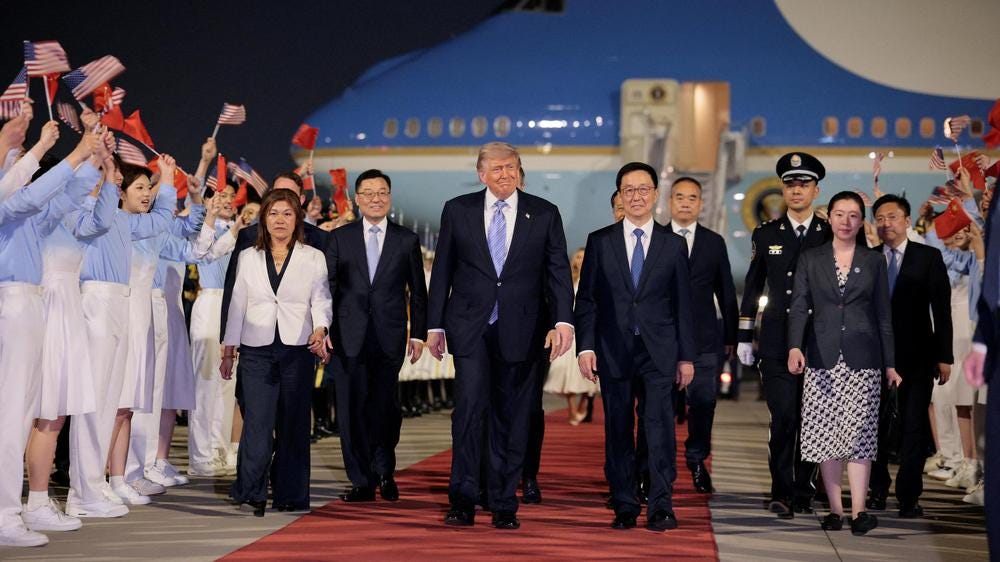
That frontier may have been part of the backdrop to Donald Trump and Xi Jinping’s meeting last Thursday. The summit’s joint statement—constructive relations, strategic stability, three years and beyond—cooled any de-dollarization narrative. But diplomatic temperature and structural architecture are different things, and they move on different timescales.
While the two presidents met, BRICS foreign ministers were convening in New Delhi. A recurring item on the BRICS agenda: a digital payments framework linking member currencies, settling cross-border transactions locally. As the South China Morning Post frames it: intra-currency payments as “immunity” against Western clout.
Against that backdrop, a piece from this week’s Financial Times reads like a marketing pitch. Euroclear wants Beijing’s business as it plans to accept Chinese bonds as collateral. CMU OmniClear is circling the same opportunity from Hong Kong. That self-reinforcing machine works best if you keep expanding the eligible collateral universe. The pool of Chinese domestic government bonds is the largest untapped opportunity on the board.
Euroclear’s CEO Valérie Urbain described the move as contributing to RMB internationalisation and expanding client services. The timing, ahead of a US-China summit and a BRICS meeting, is worth noting. So is what the Financial Times didn’t ask. Time to examine what it means for Brussels to become the Western anchor for RMB collateral infrastructure.

When Iranian strikes began hitting Middle Eastern energy infrastructure earlier this year, global bond markets sold off. While Western sovereign debt wobbled, Chinese government bonds held. The 10-year yield settling to a low of 1.75% as, while US Treasury yields moved to 4.59%
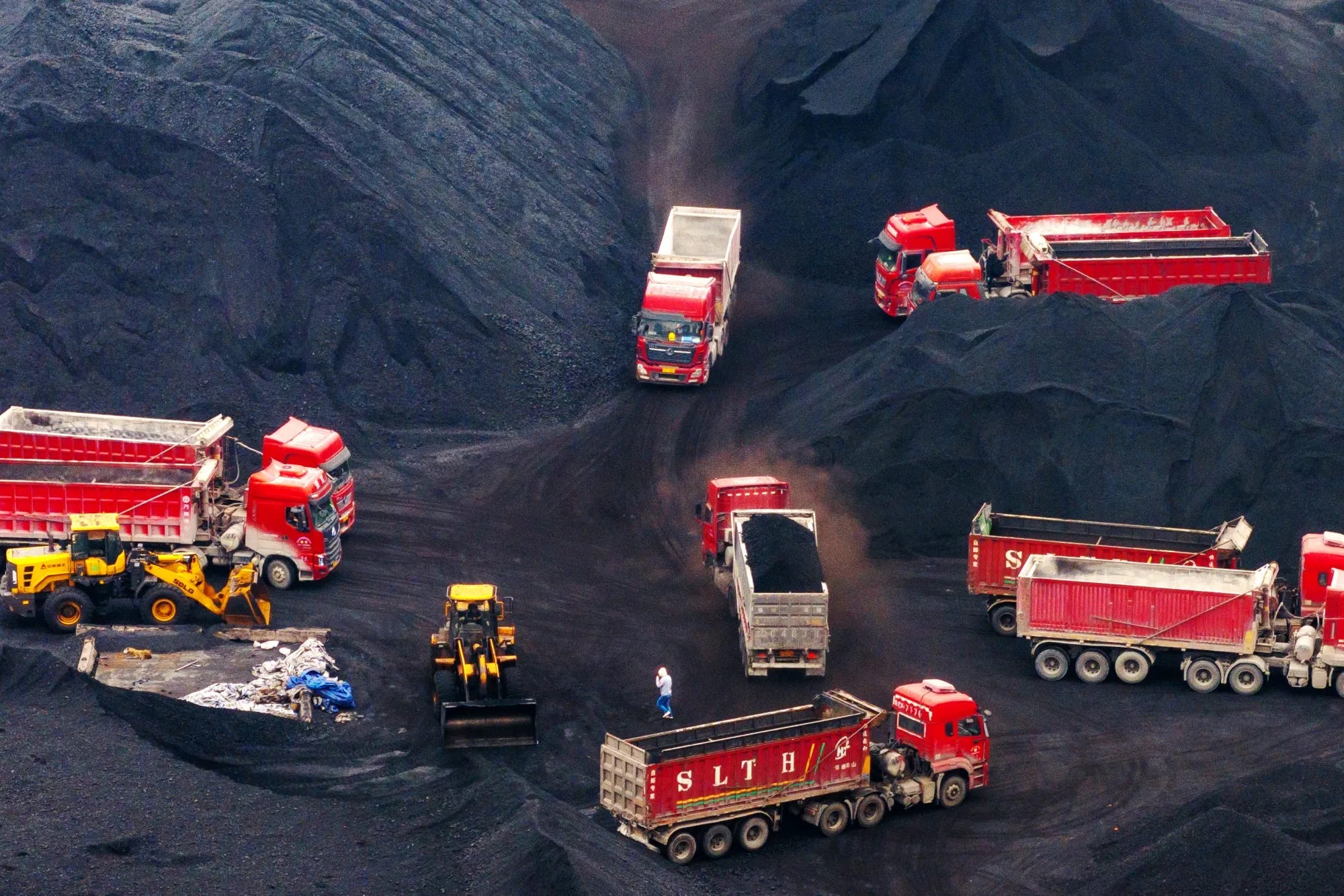
One explanation points to China’s diversified energy structure: domestic coal, pipeline gas, strategic reserves softening the blow despite China being one of the world’s major oil importers. That kind of insulation is what makes Chinese bonds attractive as collateral in a volatile rate environment and it explains why a Brussels-based clearinghouse might find €5 trillion worth of Chinese domestic government bonds worth the regulatory complexity.
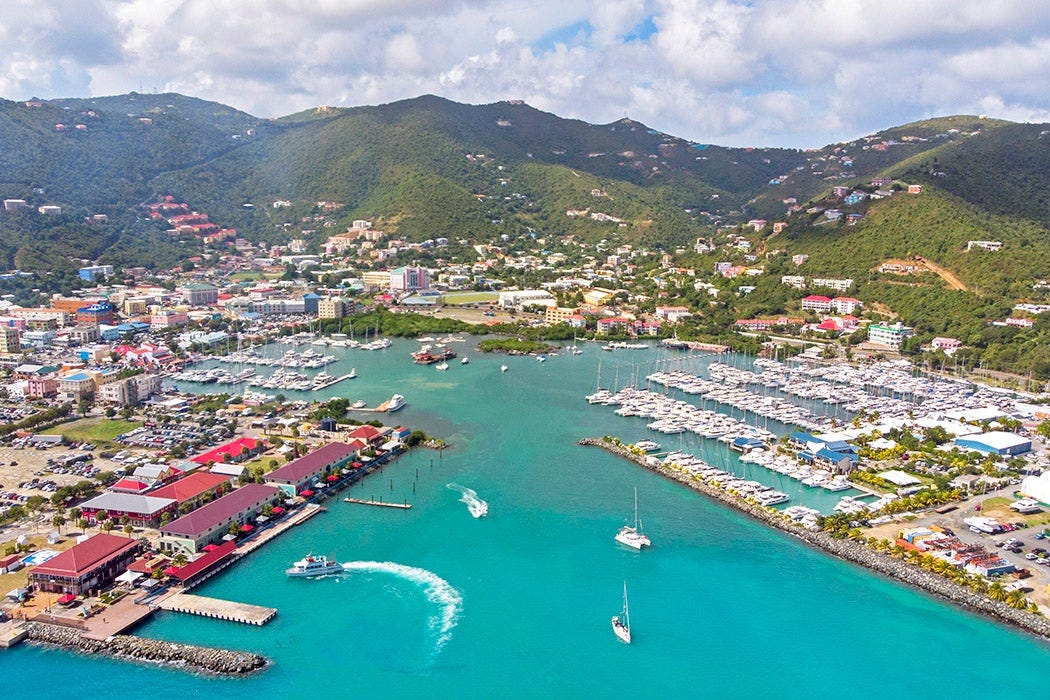
But what makes this more than a routine business expansion is who is likely pushing for it. China’s State Administration of Foreign Exchange (SAFE)—the arm of the People’s Bank of China that manages the country’s $3 trillion in foreign reserves—owns 7.25% of Euroclear. The position surfaced in late 2019 when Euroclear, weighing a possible IPO, was compelled to disclose its ownership structure. The stake is held not by Beijing directly but through Kuri Atyak Investments Limited: a vehicle registered in the British Virgin Islands, with board representation at Euroclear. When the position was built remains undisclosed.
What is known: by the time Russian assets were frozen at Euroclear in 2022, China was already sitting at the table. The institution now being asked to accept Chinese bonds as collateral is partly owned by the Chinese state body with the most direct interest in seeing that happen. But China’s interest goes beyond demand for its bonds. Embedding them inside Western settlement infrastructure reduces exposure to financial sanctions.
Here’s how Western sanctions generally work: any institution that wants to maintain access to US correspondent banking must comply with US sanctions, regardless of where it is domiciled. The legal obligation falls on financial intermediaries, making dollar access the lever that pulls the rest of the world into compliance.
RMB collateral transactions sit largely outside that chokepoint. Chinese bonds posted as margin through Euroclear’s Collateral Highway are RMB-denominated assets moving through a euro-zone settlement infrastructure. To the extent the transaction chain avoids dollar clearing, US secondary sanctions lose their operational grip and that chain can be deliberately structured to minimise dollar exposure. While this doesn’t eliminate sanctions risk entirely, it raises the cost of enforcement significantly.
The protection against sanctions runs deeper still. Because the entanglement of these bonds—posting margin, securing repo, sitting inside European bank collateral buffers—means that removing them becomes a question of financial stability. The SAFE stake provides the equity anchor, collateral eligibility provides the entrenchment. China’s strategy to create a lock-in is, if successful, comparable to its rare earths and pharmaceutical dependency strategy. Both were recognized late and are proving expensive to reverse.
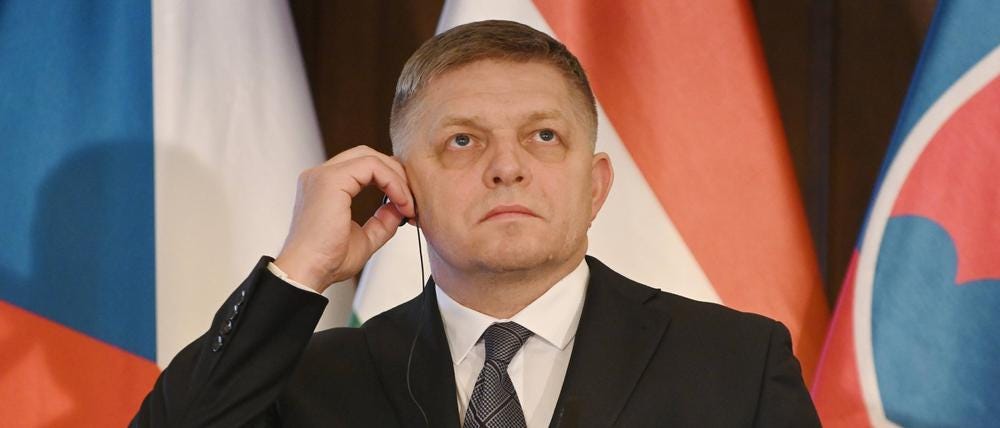
Far from being on the “right” side of the de-dollarization narrative, Europe is being squeezed from both sides. At the physical layer, dollar dependency is here to stay. The majority of the EU’s energy imports, which were at € 337 billion in 2025, is settled in dollars. And that dependency is only deepening. As Slovak Prime Minister Robert Fico put it this week:
The US plans to buy out the entire oil and gas transportation system to Europe. The Russians will supply gas and oil to the Americans at standard prices, and the Americans will sell them to us at a high American markup. Are we really that stupid now?
According to Russian state media TASS, Nord Stream itself is now on the table: Washington seeking to acquire the pipeline infrastructure that once delivered cheap Russian gas directly to Germany. Foreign Minister Lavrov alleges what was laid out on these pages back in March: the US wants to buy out European-owned pipeline stakes at a fraction of original investment value, then control both flow and price.
The strategic miscalculation is almost comically self-defeating: Europe’s hawks have spent four years arguing that appeasing Russia over Ukraine sets a precedent for China over Taiwan. That military coercion must be answered, regardless of price, or the signal to Beijing is fatal. Europe has used this argument, among others, to justify sanctions, energy costs, and rearmament spending simultaneously.
The Euroclear architecture makes that argument significantly harder to execute. If a Taiwan scenario forces the sanctions response European think tanks claim it must make, the institution at the center of that response is partly owned by Beijing, with Chinese bonds running as load-bearing collateral through European banking infrastructure.
But the Beijing summit this week may have rendered that question academic. When the two largest economies on earth meet to negotiate strategic stability for the next three years and beyond, the shape of the world gets decided, Taiwan included. As always, Europe was not in the room. The conversation that determines whether a Taiwan scenario ever materializes, and on whose terms, is happening between Washington and Beijing. Brussels will learn the outcome when everyone else does.
In the meantime, Washington is selling the energy. Beijing is inside the financial plumbing. The Euroclear announcement is one more data point in an order Europe neither designed nor controls.
Share this with anyone who thinks Europe still holds any cards!

📨 People in boardrooms, energy desks, and hedge funds keep forwarding this. Stop getting it late — subscribe now!
Already subscribed? Thanks for helping make BSJ quietly viral.
As a global investor, I have to take off my US hat and put on my logical, unemotional Spock hat. And as much as I love the values we claim we stand for, I’ve spent many years watching leaders in Europe and the US act deeply unserious. They ignore second- and third-order effects. They ignore long-term consequences. Their hubris is off the scale. The patriot in me is in agony. But it is what it is.
That matters as I think about your excellent article. The reason Europe isn't at the table? Because it isn't its own person—at least not yet. It acts as our sidekick, following our lead. It shouldn't, but it does. And as long as Europe behaves like Batman's Robin instead of its own person with its own goals, its global decline will continue. Does it have to be that way? No. Europe has incredible assets it could leverage. Once it wants to.
As for the US: this administration and the prior administration are doing their very best—inadvertently—to force China to build its own global financial infrastructure. The Chinese clearinghouse you mentioned is just the latest example. This is our own making—our obsession with sanctions. Sanction this, sanction that, sanction everything. You can't expect people to keep using your existing global financial system if you poison it like this.
That's a long-winded way of saying: Europe has problems, but so do we. And in an ironic twist, China—where I wouldn't want to live—is now smarter about second- and third-order, long-term thinking than we are. I'm not doom and gloom about the West. The future, after all, is what we make of it. But it starts by taking off your rose-colored glasses. And thoughtful, non-rose-colored articles like yours help us get there. Great article!
At least Fico seems to be on to what is going on.